By, Ruel Nolledo | Freelance Writer
June 15, 2026
When freedom rings, not everyone hears it at the same time. Sometimes, the distance is too great for them to hear. At other times, the sound of freedom gets lost in the din, drowned out by the noise of others.
When Robert E. Lee surrendered at Appomattox in April of 1865, it signaled the end of the Civil War. News of the Confederate defeat reached San Francisco by telegraph in a matter of hours; within days, newspapers had spread the word throughout California, celebrating the freedom of an estimated 4 million enslaved Black people.
But for Galveston, Texas, a town far closer to Appomattox than the Golden State, the news was concealed. It wasn’t until June 19, 1865 — almost two-and-a-half years after the Emancipation Proclamation and 71 days after the end of the war — that General Order No. 3 was issued, and the last of the Confederacy’s enslaved learned they were free.
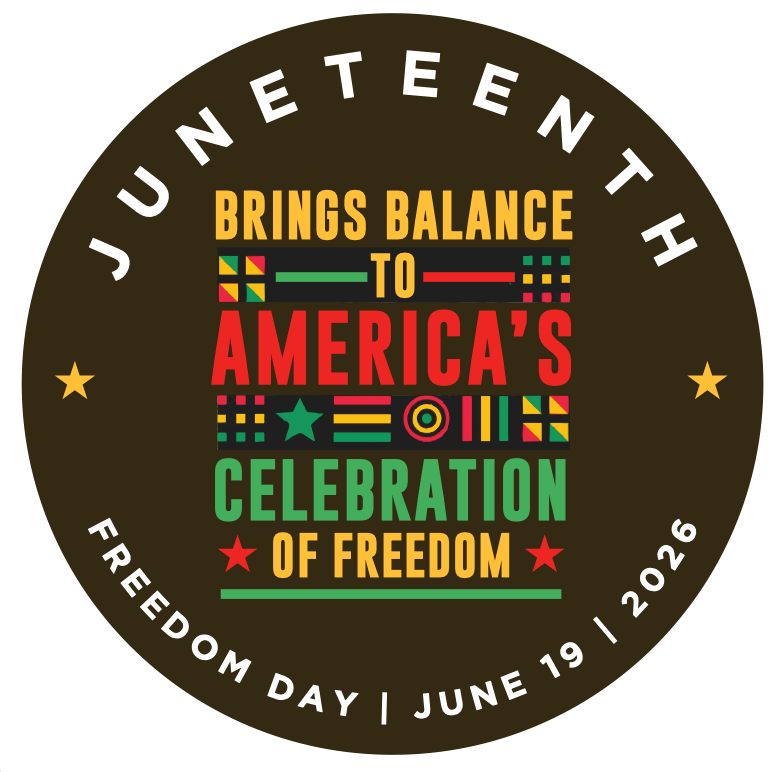
Today, as the names Jubilee Day, Emancipation Day and Black Independence Day each equate to the historical prominence of the event, the Juneteenth celebration pays homage to the day itself. The federal holiday is both an observance and a commitment: a moment to recognize a milestone in American freedom and to recommit to advancing that freedom for all.
This year, the Association for the Study of African American Life and History (ASALH), the scholarly association that founded Black History Month, frames Juneteenth with a question: What does freedom look like — yesterday, today and tomorrow? ASALH adds that the answers are important for fostering a vibrant and safe environment for the community.
Here in Los Angeles, that quest was rooted in 1856, a full nine years before Galveston, when Biddy Mason, a formerly enslaved woman, won her family’s freedom in a Los Angeles courtroom after the local sheriff stopped her enslaver from taking her to Texas. She went on to work as a midwife, buy land downtown and found the city’s first Black church.
In 1949, Jonathan Leonard arrived in Los Angeles from Texas and was surprised to find no one observing Juneteenth. He had grown up in Houston’s Third Ward, where the day was a celebration, a reminder of hard-fought freedom. Eager to preserve both the memory of that day in history and the joy of the celebration that came after, Leonard started a backyard barbecue in Leimert Park. That gathering grew into one of the largest Juneteenth celebrations in Los Angeles County, drawing tens of thousands. When Leonard passed away in 2017, his daughters made sure to carry on the tradition.
What freedom looks like tomorrow is a question that belongs to our youngest residents. Teaching them the full story of Juneteenth — the delayed freedom, the joy at the news and the work that remains — is one way we hand that freedom forward.
First 5 LA remains committed to centering equity in our work to create a future where young children and their families are prioritized in Los Angeles County and across the state. This month, we join Los Angeles County in celebrating Juneteenth and in continuing the work of building a more equitable world for our children.
To help you and your little one celebrate Juneteenth together, here are a few family-friendly events happening across Los Angeles County this year.
- Leimert Park Juneteenth Celebration — Saturday, June 20th. The county’s longest-running celebration, with a kids’ zone, face painting, drum circles, food and Black-owned vendors. Free. More info
- City of Pasadena Juneteenth — Pasadena City Hall. Free family activities, arts and crafts led by the Armory Center for the Arts, a DJ and the NAACP’s 5th Annual Roller Jam with free skate rentals. More info
- Aquarium of the Pacific Juneteenth Celebration (Long Beach) — included with general admission; storytelling, music and family programming in an indoor, young-child-friendly setting. More info
Bonus: Metro is running service to several Juneteenth celebrations June 19–22. Metro – The Source